Clinical Trial
Services for Radiopharmaceuticals

Comprehensive Clinical Trial Management for Radiopharmaceuticals

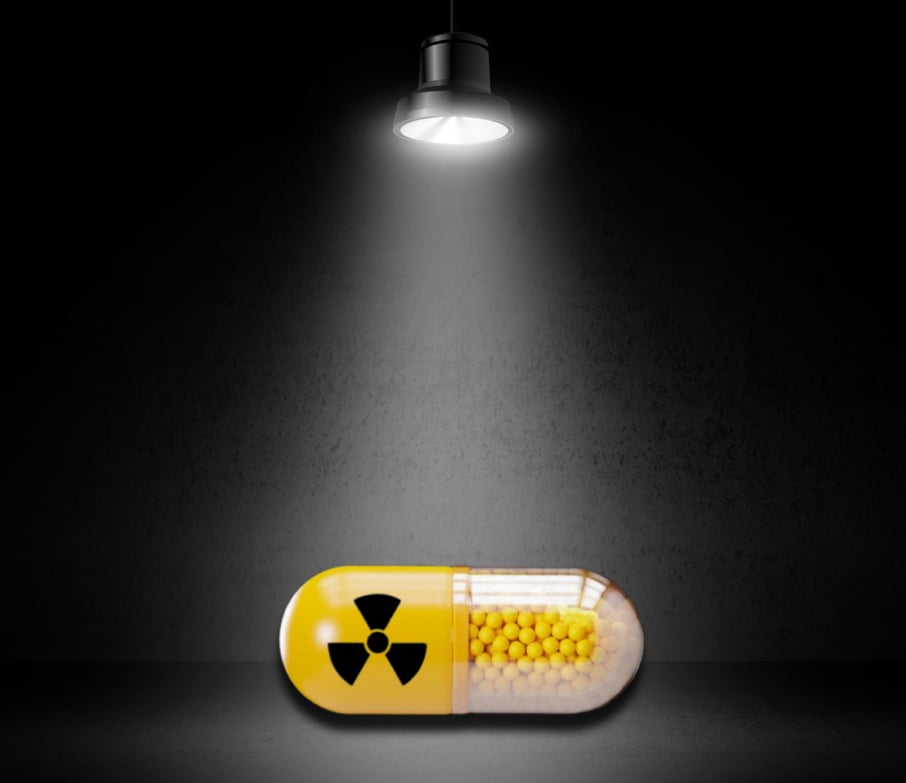
TD2 is a leading Contract Research Organization (CRO) specializing in oncology, offering comprehensive clinical trial management services for radiopharmaceuticals. Radiopharmaceuticals, which combine radioactive isotopes with pharmaceutical compounds, have become transformative tools in both the diagnosis and treatment of cancer. However, advancing these therapies into clinical trials presents unique challenges, including:

  • Complex regulatory requirements
  • Specialized imaging needs
  • Manufacturing, logistics and delivery infrastructure for therapeutics
  • Site expertise and capacity
  • Safe and secure supply of isotopes, and
  • Combined expertise and collaboration of radiation and medical oncologists

As the field evolves there's a growing need for experienced clinical partners to navigate these complexities. With over 15 years of experience and a track record of executing successful radiopharmaceutical trials, TD2's oncology experts help mitigate risks, streamline processes, and ensure regulatory compliance, accelerating the development of these cutting-edge therapies.

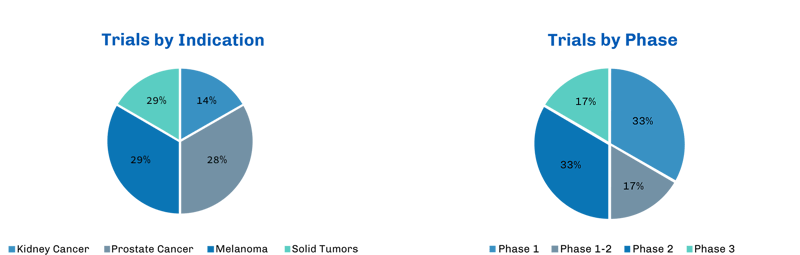
TD2's Clinical Radiopharmaceutical Experience
Request more information

Contact our experts to learn more about our clinical trial services for radiopharmaceuticals.


Clinical Trial Services for Radiopharmaceuticals

TD2 provides a full suite of services tailored to support the development and execution of clinical trials for radiolabeled pharmaceuticals:

  • Protocol Design and Optimization: Development of clinical trial protocols that consider the unique characteristics of radiopharmaceuticals, including radiolabeling stability, dosimetry, and biodistribution.
  • Regulatory Strategy and Submission: Expert guidance on navigating the stringent regulatory requirements for radiopharmaceuticals, including approvals for novel theranostic agents that combine both diagnostic and therapeutic applications.
  • Site Selection and Management: Identification of specialized clinical trial sites equipped with the necessary imaging technologies (such as PET and SPECT) and experienced in handling radiopharmaceutical agents.
  • Patient Recruitment and Retention: Focused strategies to recruit patients with specific cancer types that can benefit from therapeutic uses of radiolabeled drugs, especially in rare and advanced malignancies.
  • Safety Monitoring and Data Management: Continuous monitoring of radiopharmaceutical-specific safety concerns such as radiation exposure, along with data management that captures both therapeutic efficacy and diagnostic imaging outcomes.
  • Imaging and Biomarker Integration: Seamless integration of advanced imaging modalities crucial for assessing the biodistribution, uptake, and efficacy of radiopharmaceutical agents.
  • Quality Assurance and Compliance: Ensuring compliance with Good Clinical Practice (GCP) and radioactive material handling regulations to maintain high safety standards throughout the trial lifecycle.

Features and Benefits of Working with TD2:

  • Oncology Expertise: As a CRO with a primary focus on oncology, TD2 offers unmatched insights into the challenges and opportunities in cancer drug development.
  • Radiopharmaceutical Expertise: With a proven track record of managing clinical trials in radiopharmaceuticals, TD2 offers extensive experience and insights for your studies.
  • Comprehensive Trial Support: From protocol development to regulatory submissions, patient recruitment, and data management, TD2 provides end-to-end support for your clinical trials.
  • Advanced Imaging Capabilities: Integration of imaging techniques essential to evaluating the efficacy of radiolabeled therapies.
  • Global Reach: Access to top clinical trial sites worldwide, with experience managing international trials.
  • Faster Time to Market: Streamlined processes and expert project management help reduce trial timelines, bringing therapies to patients faster.
  • Regulatory Expertise: Navigating the complex regulatory landscape for radiopharmaceuticals with precision and experience.
  • Quality and Compliance: Dedicated to ensuring the highest levels of compliance and quality control in every aspect of your clinical trial.
Isotopes Used in Radiopharmaceutical Clinical Trials at TD2
89Zr
212Pb
111ln
64Cu
68Ga
90Y

TD2 is your trusted partner for radiopharmaceutical clinical trials, offering unmatched oncology expertise and a proven track record in advancing cancer therapeutics. Reach out to learn how our team can help accelerate your next clinical trial.

FAQs

RLT fundamentals

What is radioligand therapy (RLT)?

Radioligand therapy is a cancer treatment that pairs a targeting molecule (the ligand) with a radioactive isotope. The ligand binds a receptor on tumor cells and delivers radiation directly to the tumor. Approved examples include PSMA-targeted therapy for prostate cancer and DOTATATE-based therapy for neuroendocrine tumors.

How is radioligand therapy different from other targeted cancer therapies?

RLT lets you see the drug as well as deliver it. Because the drug is radioactive, teams can image where it goes in the body over time, select patients with a matched imaging agent, and measure response. That visibility supports early dose optimization, which the FDA now expects rather than dose escalation by trial and error.

What is theranostics?

Theranostics pairs a diagnostic imaging agent and a therapeutic agent that hit the same target. The imaging agent shows which patients have the target and where disease is, and the therapeutic agent treats it. This see-and-treat approach is a defining feature of radioligand therapy and shapes how RLT trials select patients.

Which isotopes are used in radioligand therapy?

Lutetium-177, a beta emitter, is used in most current RLTs. Actinium-225 and lead-212 are the leading alpha emitters in development. Terbium-161, astatine-211, and copper isotopes are emerging options. Gallium-68 is widely used for PET imaging. Iodine-131 was the field's original therapeutic isotope.

What is the difference between alpha and beta emitters in RLT?

Beta emitters such as lutetium-177 travel farther through tissue, which can treat larger tumors but also reach nearby healthy cells. Alpha emitters such as actinium-225 deliver much higher energy over a very short range. Alpha emitters also release radioactive daughter isotopes as they decay, which sponsors must account for in dosimetry and safety planning.

What is limiting the growth of radioligand therapy?

Isotope supply is the biggest constraint today. In a live poll of TD2 webinar attendees, 36% named isotope supply and production capacity as the top rate-limiting factor, with site access and capacity in second. Our experts expect manufacturing capacity, then clinical site and camera availability, then reimbursement to follow as the next bottlenecks.

What will accelerate RLT adoption over the next five years?

Expansion into new tumor types and better isotope availability tied as the top answer in TD2's webinar poll. Our experts also point to moving RLT into earlier lines of therapy and the first approval of an actinium-225 therapy, which would bring real-world alpha data and more predictable isotope supply.


Planning an RLT program

What preclinical data do you need before a first-in-human RLT study?

Regulators expect four things: safety data, a dosimetry study, evidence of target engagement, and efficacy in a preclinical model. Beyond the minimum, focus on normal organ dosimetry and clearance, not just tumor uptake. Dose to healthy organs, especially the kidneys and other excretory organs, usually sets the limit on how much you can give.

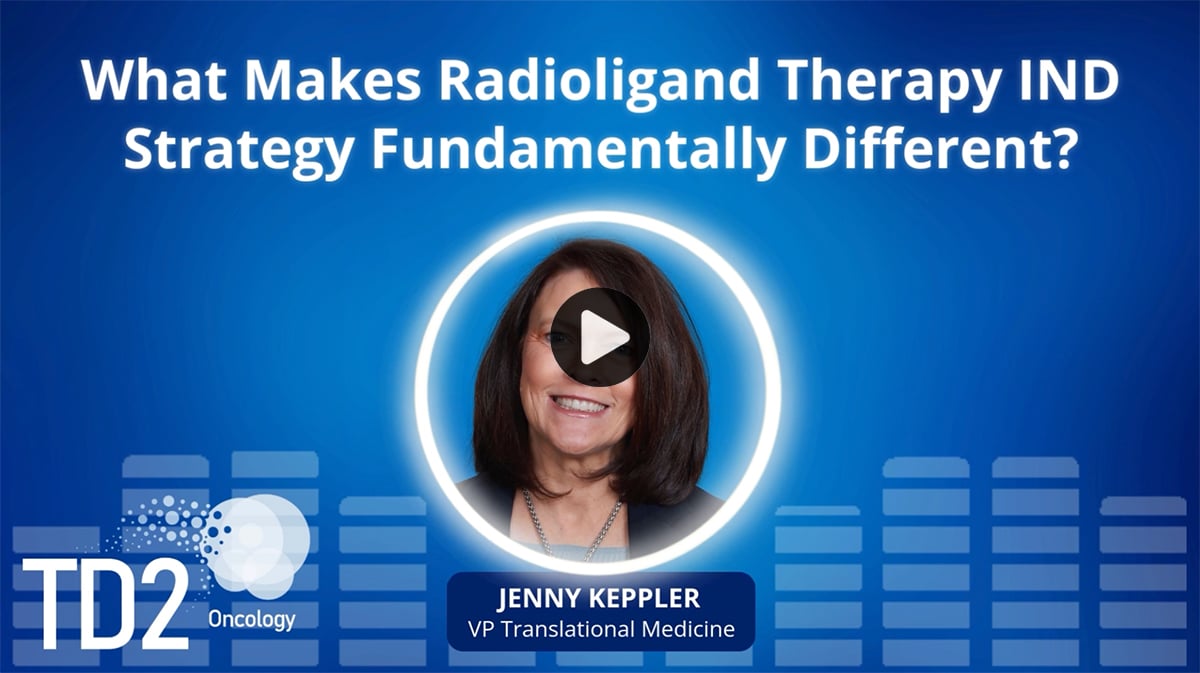
How does an RLT IND or CTA differ from a standard oncology submission?

The biggest difference is chemistry, manufacturing, and controls (CMC). An RLT typically has three components to document: the precursor, the drug substance, and the radiolabeled drug product. Sponsors also need validated manufacturing at one or more sites, cross-calibration between manufacturers, and often separate strategies for the imaging and therapeutic agents.

How do you choose the right isotope for a radioligand therapy?

Match the isotope to the biology. Consider how the drug targets the tumor, whether an alpha or beta emitter fits that target, and how half-life affects dose to critical organs. Longer half-lives can raise the risk of dose-limiting toxicities. Supply agreements and manufacturing logistics also shape the choice, so decide early.

Should RLT manufacturing be centralized or done at clinical sites?

Fewer manufacturing sites is generally better, but the isotope decides. Short-lived isotopes such as gallium-68, with a 68-minute half-life, may need on-site or kit-based preparation. Longer-lived therapeutic isotopes can ship from a central CDMO. Radiopharmaceutical CDMOs are limited, so book capacity well before you need it.

When should you write the clinical development plan for an RLT program?

Write it before your IND submission and before vendors and sites are locked in. A strong clinical development plan defines what the program must learn in humans and which decisions those learnings support. Written late, it becomes a justification instead of a guide. FDA, EANM, and SNMMI guidance documents can help.


Running RLT clinical trials

Why do RLT clinical trials need tighter timing than other oncology trials?

Radioactive drugs decay on a fixed clock. Delays in delivery, dosing, or imaging change the radiation dose a patient actually receives, and a missed window often means a missed treatment. Most oncology trials tolerate small schedule shifts. RLT trials do not, so visit windows and logistics must be planned up front.

What should sponsors look for when selecting RLT clinical trial sites?

Confirm the site's radioactive materials license covers your isotope and activity level, and find out how long amendments take. Look for a nuclear medicine, oncology, and radiopharmacy team that already works well together. Expect competition for slots, since many sites are understaffed and prioritize commercial RLT patients.

What logistics challenges are unique to radioligand therapy trials?

The isotope has to arrive on time, at the right door, at the right activity. Sponsors should run test shipments, validate shippers, and plan backup deliveries. Protocols must also fit real clinic schedules. Daily imaging over five days, for example, can collide with weekend closures and delivery timing.

Do RLT trials need a central imaging core lab?

Yes, in most cases. Scanners, dose calibrators, and well counters must be calibrated so that a measurement at one site matches another. A central imaging vendor standardizes acquisition and preserves images for later analysis, which is valuable when designing Phase 2. TD2 does not run RLT trials without one.

How should imaging and dosimetry data be captured in an RLT trial?

Standardize it from the start. First-in-human RLT studies generate complex imaging and dosimetry data, and inconsistent capture can make results hard to interpret. Define acquisition protocols, data formats, and responsibilities across sites and vendors before the first patient is dosed.

Can radioligand therapy be combined with immunotherapy?

The rationale is strong. Radiation from RLT can release tumor antigens that prime a T-cell response, which checkpoint inhibitors may amplify. Several studies are testing RLT with checkpoint inhibitors, including which should come first. The hope is a synergistic effect rather than a simply additive one.


Working with TD2 on RLT trials

Does TD2 Oncology run radioligand therapy clinical trials?

Yes. TD2 Oncology is a precision oncology CRO that runs RLT clinical trials, from first-in-human studies onward. Our clinical operations team includes people who worked on the pivotal VISION trial of PSMA-targeted RLT in prostate cancer, and we bring imaging, dosimetry, and isotope logistics expertise to every study.

When should a sponsor bring in an RLT CRO?

As early as possible, ideally six months to a year before the first patient is dosed. RLT development is not a straight line from preclinical to regulatory to clinical. Isotope choice, manufacturing, site licensing, and imaging all affect each other, so the experts behind each one need to plan together from the start.

Can TD2 support RLT programs beyond the clinical trial?

Yes. TD2 supports oncology programs from preclinical through clinical development, including regulatory strategy. For RLT sponsors, that means the teams planning your preclinical package, IND or CTA, and first-in-human study work together, so early decisions hold up once the program reaches the clinic.

What makes an RLT trial successful?

An engaged sponsor, an experienced team, and early planning. The most successful RLT studies TD2 has supported had sponsors working closely with nuclear medicine physicians, oncologists, and dosimetry experts. Strong project management, tight vendor coordination, and the right questions asked up front turn RLT's added complexity into a manageable plan.

GET STARTED

Put your clinical trial in the hands of a team who believes in your research as much as you do.

Are you ready to start your preclinical trial? Partner with a collaborative oncology CRO that believes in your treatment as much as you do. Take the first step today and contact our experts.