
Advanced Preclinical Flow Cytometry Analysis Services
Precision Immunophenotyping & Drug Impact Analysis for Oncology Research
Gain a deeper understanding of your drug’s therapeutic effects through high-throughput flow cytometry analysis across a diverse array of assays and cell types. TD2’s cutting-edge platform offers comprehensive immunophenotyping, enabling you to delve into your drug’s mechanism of action and pharmacodynamics, ultimately strengthening the efficacy of your immunotherapy while effectively minimizing unwanted side effects.
View Our Clinical Flow Cytometry Solutions
Features & Benefits:
- In-Depth Analysis: Explore immune composition within vital organs such as tumors, spleen, and lymph nodes, allowing you to tailor treatment strategies for maximum impact.
- Precise Impact Assessment: Evaluate the therapy’s influence on the frequencies and functions of specific cell subsets, optimizing its performance.
- Expert Guidance: Access our dedicated FACS team’s expertise to customize protocols, panel configurations, gating strategies, and more, ensuring the most relevant results for your study.
- Efficient High-Throughput: Characterize cells with ease, using minimal sample volumes, thanks to our advanced equipment, including Miltenyi gentleMACS™ Octo Dissociator, MultiMACS Cell24 Separator, Miltenyi MACSQuant Analyzer 16, BD FACSCanto™, BD FACSCanto™ II, 10-color BD FACSCanto, Cytek Aurora, and Millipore Guava PCA
With TD2’s flow cytometry platform, you can confidently navigate the complexities of immune phenotyping and rare cell populations, gaining valuable insights into your drug’s potential and optimizing its therapeutic impact
Request more information about our Flow Cytometry Services
Contact our experts to help advance your drug development with TD2's trusted Flow Cytometry Services.
Capabilities and Assays Include:
 Tissue Dissociation/Single-Cell Suspension
- Spleen, Tumors, Lymph nodes
 Primary Cell Isolation
- Pan T cells isolation kit, mouse
- CD4+ T cell isolation kit, mouse
- isolation of untouched mouse cells from single-cell suspensions from spleen
 Immune Population Phenotypingx
- Panel design 20+ colors
- Whole blood, bone marrow, spleen, and tumor
- Viability dye inclusion
- Surface staining
- Intracellular staining, including:
- Cytoplasmic proteins
- Phospo-proteins (specific buffer set)
- Nuclear transcription factors (specific buffer set)
- Cytokines (specific buffer set)
- T-lymphocyte, B-lymphocyte and Natural Killer cells (TBNK)
- T Regulatory Cells
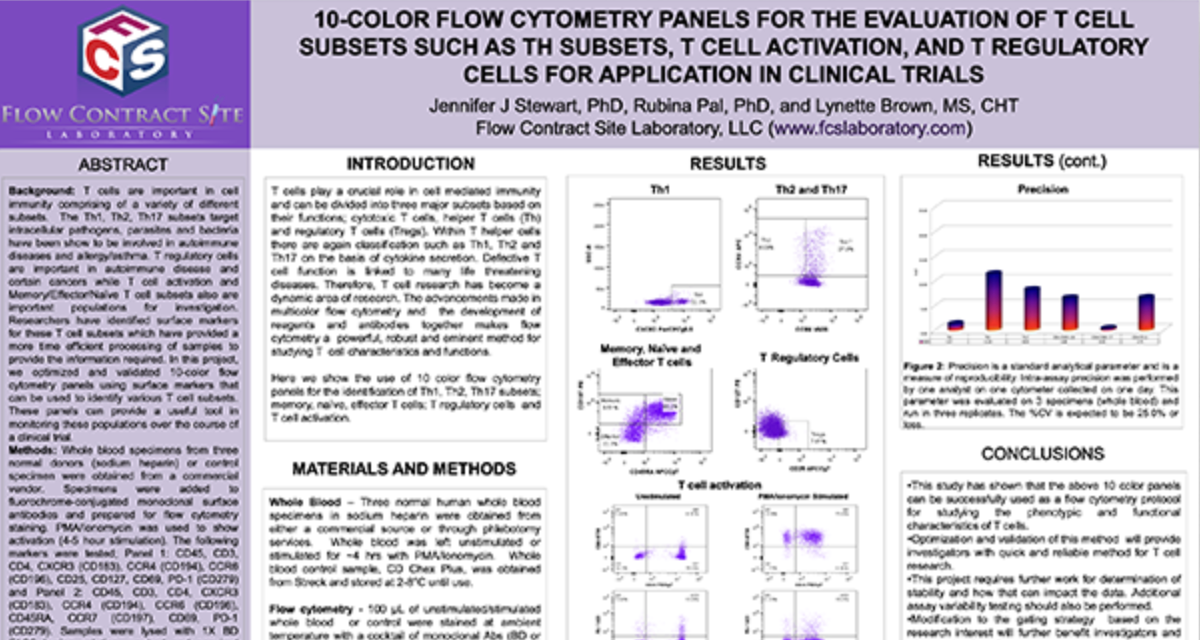
- T Memory, Naive and Effector Cells
- T Cell Activation
- B Memory and Plasma cells
- Humanized mice panels
- Custom panels
- CAP TBNK Panel
 Cancer Cells/Tumor Specific Marker Expressionx
- Viability dye inclusion
- Cell lines and single-cell suspension tumors
- Surface staining
 Fluorescent Proteins Expressionx
- Viability dye inclusion
- Cell lines and transfected primary cells
- Surface staining
 Cell Cycle Analysisx
- Propidium iodide
- Cell lines
- Solid tumors (under development)
 Intracellular Protein Analysisx
- Intracellular Cytokines
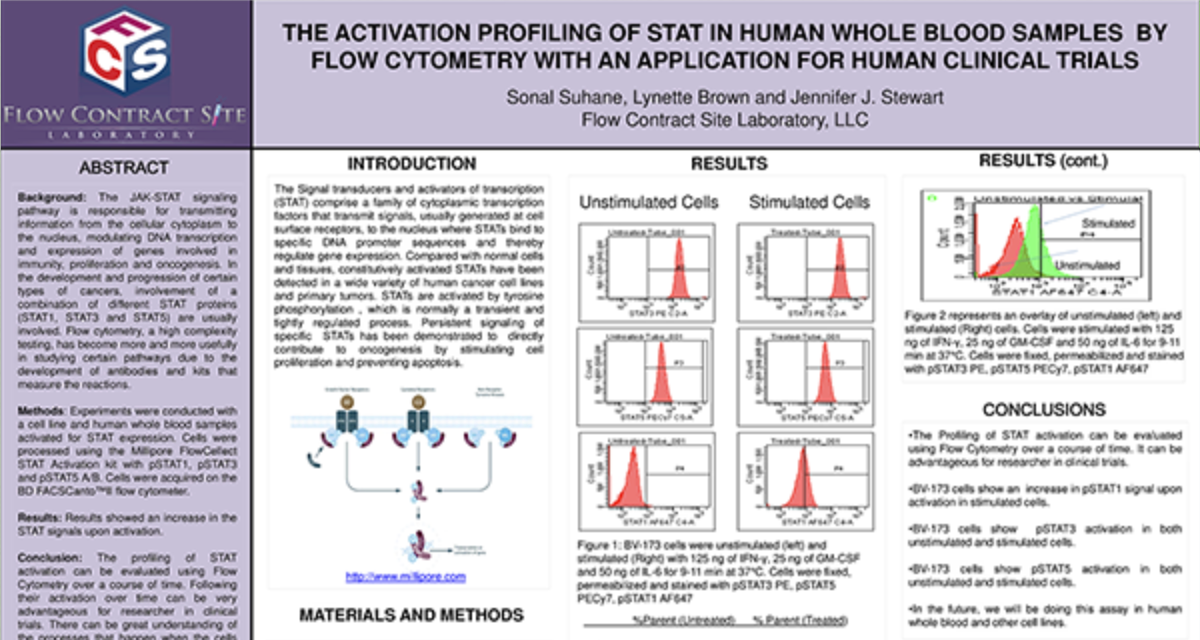
- Phosphorylated Proteins
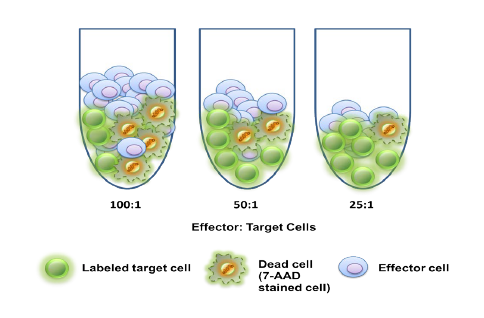
- NK Cell Function
- Basophil Activation Test (BAT)
Additional Resources


 Receptor Occupancy
Binding of fluorophore labeled “drug” in relation to decreasing dose of unlabeled “drug”
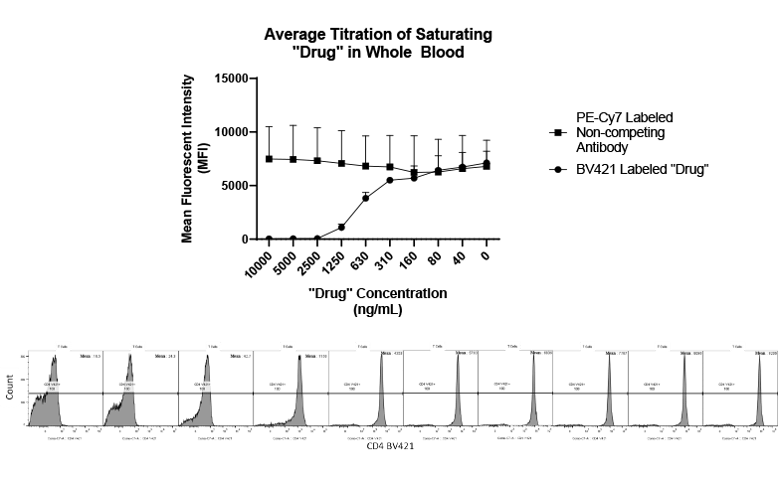
Receptor Occupancy
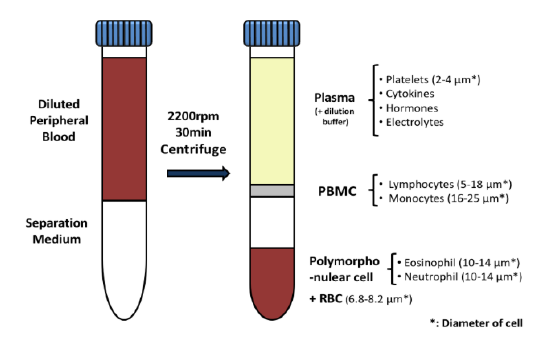
 PBMC Services
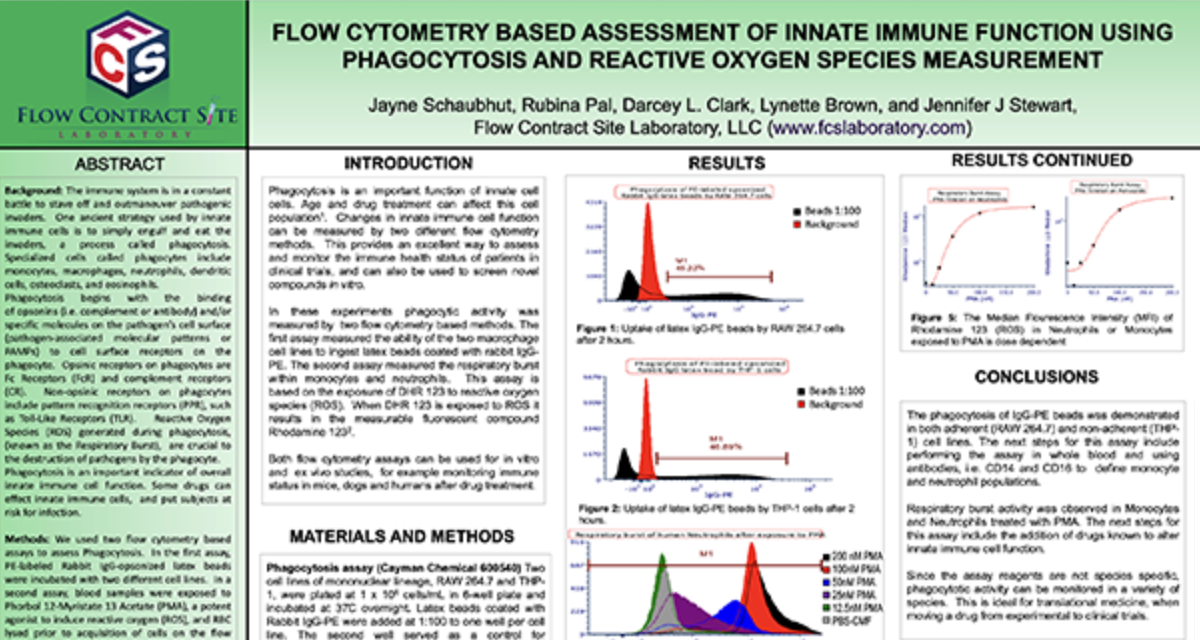
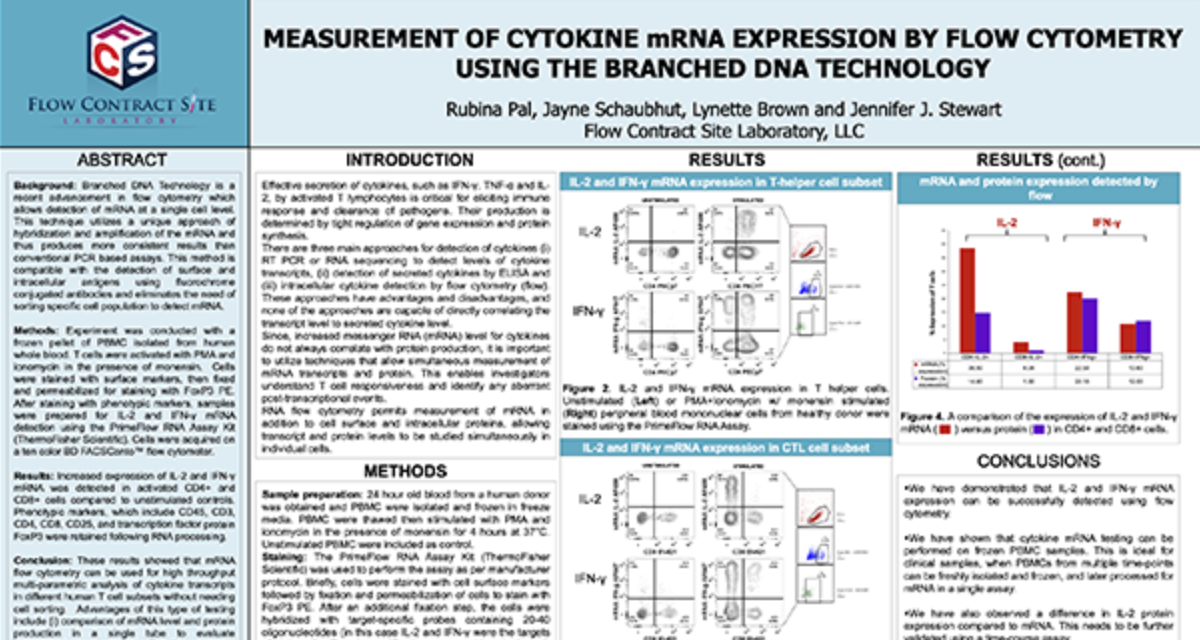
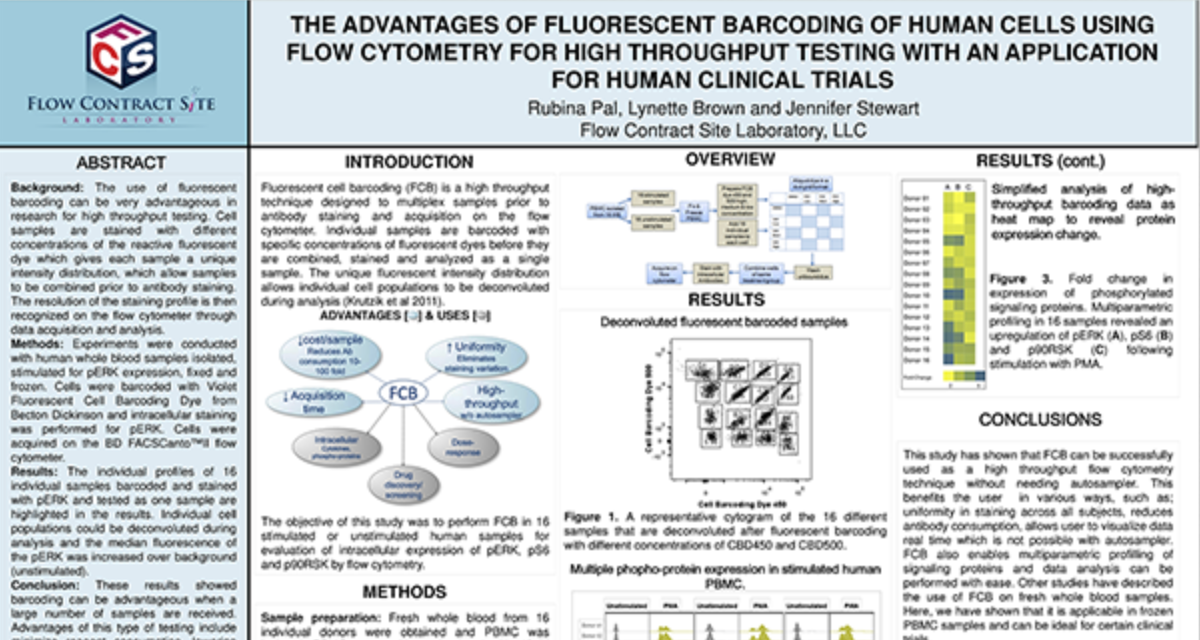
Evaluate responses of PBMCs by profiling the function/phenotype of subpopulations
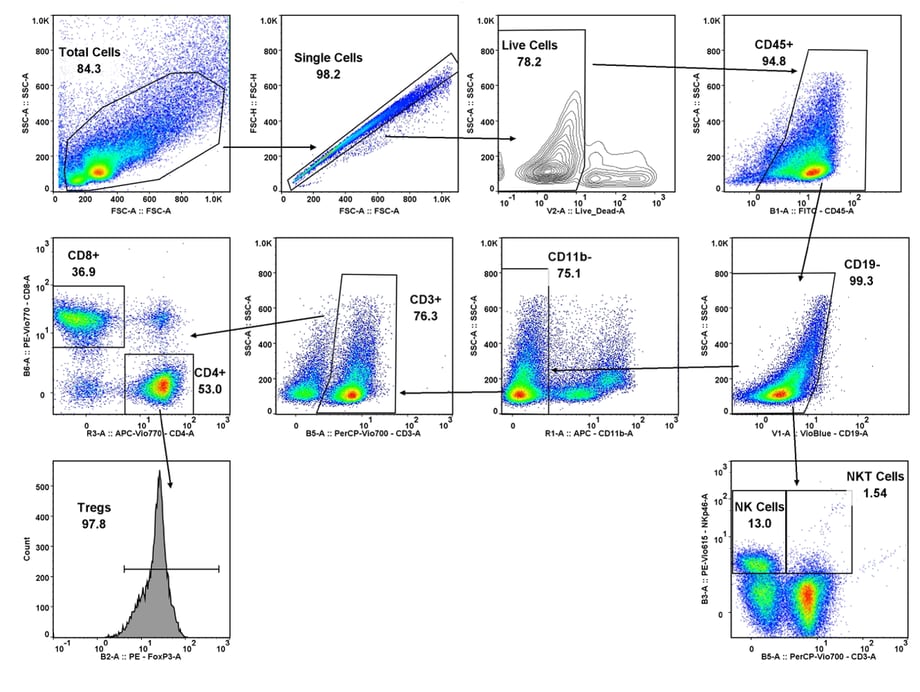
Immune Population Phenotyping
Immune cell population analysis of subcutaneous CT26 murine colon carcinoma tumors
CT26 SC tumors: Gating strategy T cells and NK cells.
Gating involved identifying the total cell population, and then gate out the doublets, gate out the dead cells, move on to our first marker CD45 which gates out any non-immune cells. The bottom right cytogram shows the different NK cell populations. The far left middle cytogram depicts the two T cell population CD4+ and CD8+. Values are % of total CD45+ cells.
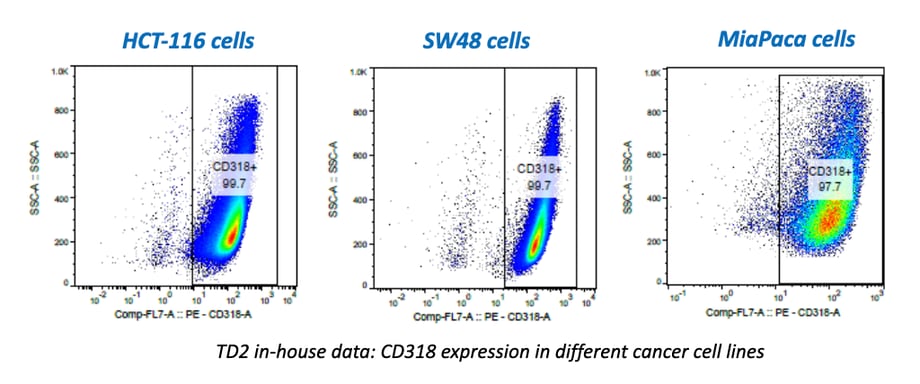
Cancer Cells/Tumor Specific Marker Expression
Cancer cells/tumors specific markers expression
- Viability dye inclusion
- Cell lines and single-cell suspension tumors
- Surface staining
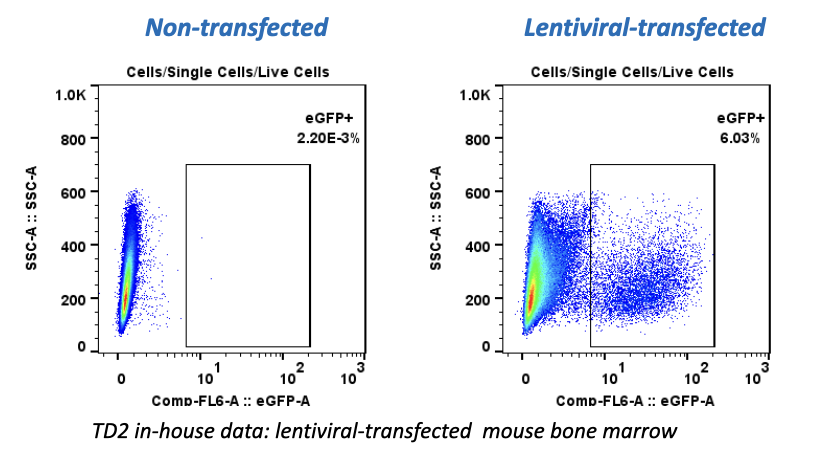
Fluorescent Proteins Expression
Fluorescent proteins expression
- Viability dye inclusion
- Cell lines and transfected primary cells
- Surface staining
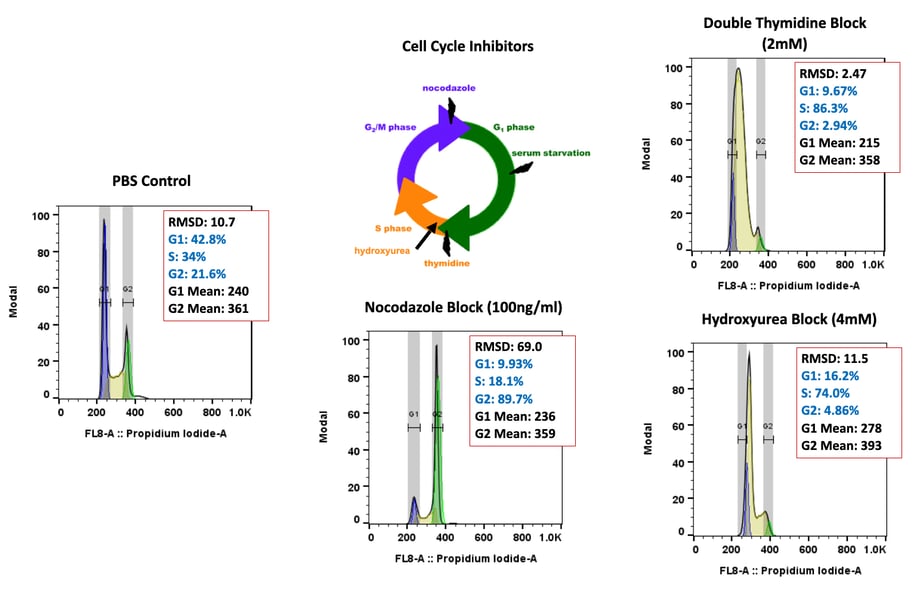
Cell Cycle Analysis
Cell cycle analysis A549 cells
- Propidium iodide
- Cell lines
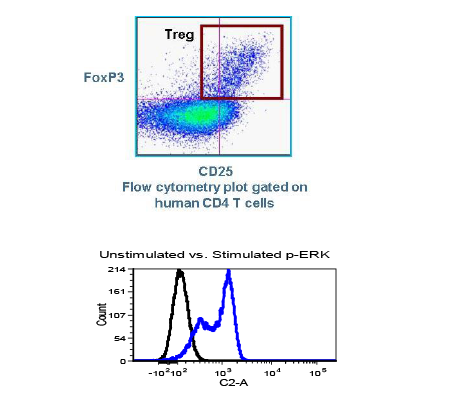
Intracellular Protein Analysis
- Intracellular Cytokines
- Phosphorylated Proteins
- T-Regs
- Phosphoroteins
- Cytokines
 Cellular Functional Assays
- NK Cell Function
- Basophil Activation Test (BAT)